Every program prices in the same five layers. The share price is only the first.
Ask what fractional jet ownership costs and you usually get one number back: the share price. It is the least useful number of the five, because it is the one every program advertises and the one that varies least. What actually decides the cost of fractional jet ownership over a full term is what sits underneath it.
The five layers of fractional aircraft ownership cost
What you pay
What it is
In the Jet Corp program
1. Share price
A one-time sum for your percentage of a specific aircraft
From $495,000
2. Monthly management fee
Charged every month of the contract, whether you fly or not
What the share is worth at the end, and how you realize it
Contractual buyback on independent appraisal
Layers two and five are where most of the money hides. A monthly management fee is charged for every month of a 48 month term regardless of whether the aircraft moves, and an exit that depends on finding a buyer can leave capital tied up for a year or more after you have stopped flying.
Maintenance, engine reserves and unscheduled work sit in layer three. They are either inside your hourly rate or they arrive as a separate invoice, and which one decides a great deal.
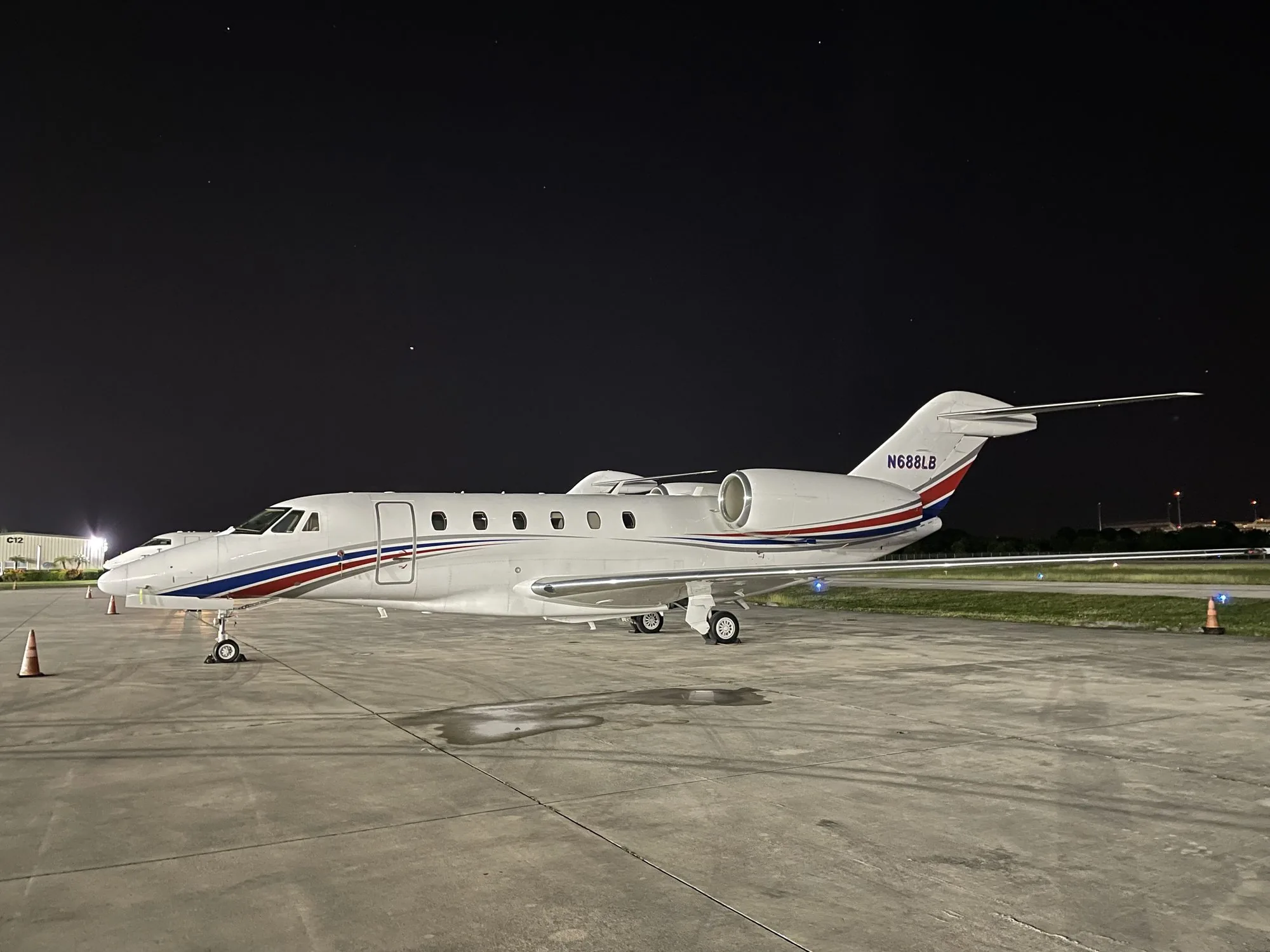
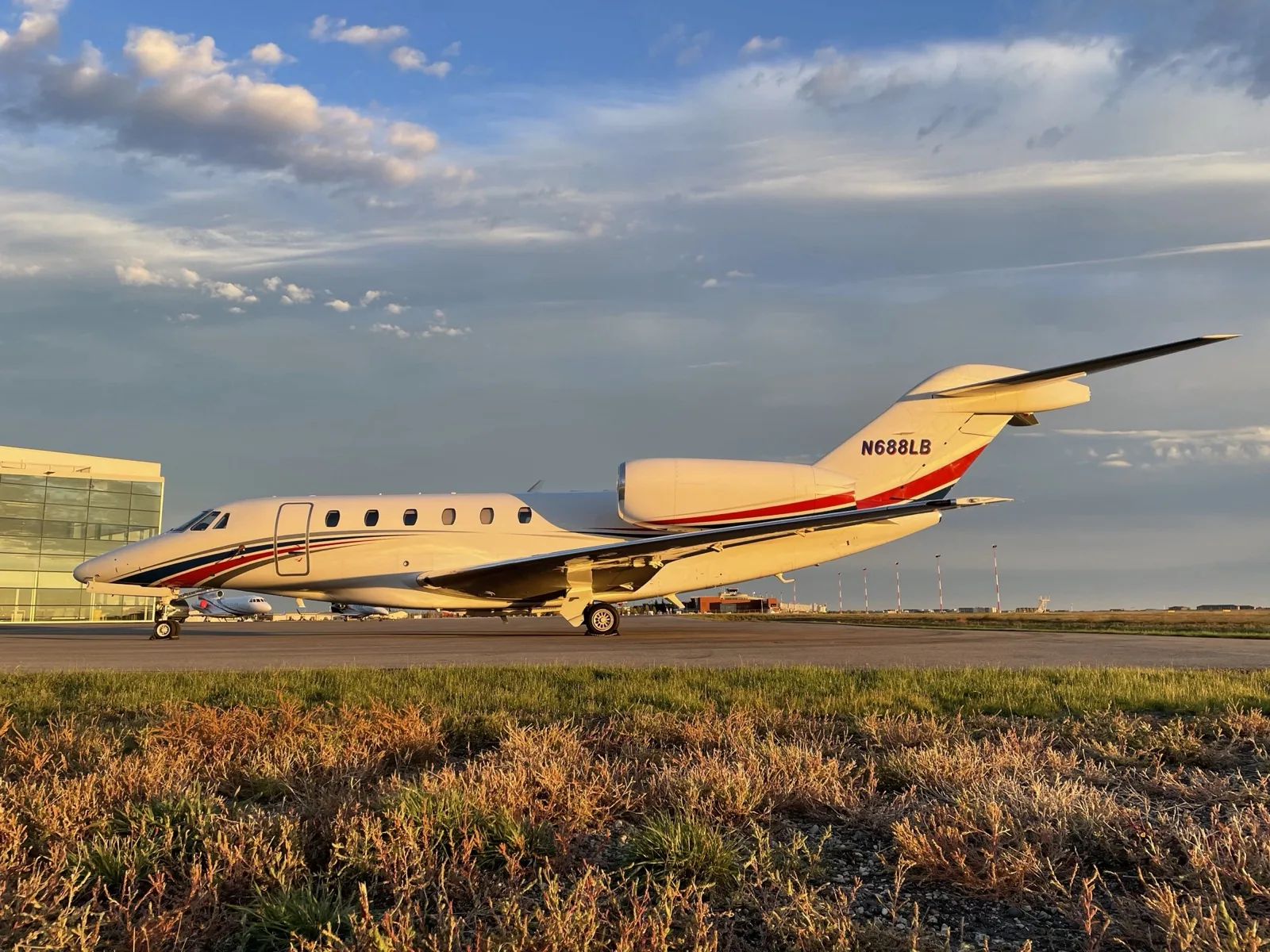
Citation X, Gulfstream G-IV and Global Express share prices
Jet Corp has been operating aircraft since 2013. These are our current figures, published in full rather than quoted on request.
Three aircraft, three price points
$495,000
Cessna Citation X share, from. $7,500 per occupied flight hour, 50 hours a year, 24 month term. 4 shares available.
$749,500
Gulfstream G-IV share, from. $9,875 per occupied flight hour, 50 hours a year, 48 month term. Waitlist open.
$1,495,000
Bombardier Global Express share, from. $11,789 per occupied flight hour, 50 hours a year, 48 month term. Accepting deposits.
None of them carries a monthly management fee. Insurance, maintenance, crew and training are absorbed by Jet Corp for the full term. De-icing, catering, special event fees and applicable taxes are billed separately.
How much fractional jet ownership costs against chartering
Retail charter on an ultra-long-range aircraft commonly sits in the region of $20,000 an occupied hour. Your owner rate on the Global Express is $11,789. Across a 50 hour year that is roughly $1,000,000 at retail rates against $589,450 at yours.
That gap is the entire economic case, and it is also why the answer to "is it worth it" comes down to hours. Below roughly 50 hours a year, on-demand charter is usually cheaper and involves no capital at all. We will say so if that is your situation.
Retail and card rates vary considerably by aircraft, route, operator, notice and season. The retail figure above is indicative of the market rather than a quote, and is shown to illustrate the structure of the saving rather than to promise a specific number.
What to ask any fractional program
Is there a monthly management fee, and for how many months of the term?
What can move the hourly rate during the term, and is the increase capped?
Which costs are passed through: fuel, de-icing, peak days, positioning?
Is the exit contractual, or does it depend on finding a buyer?
How is the buyback priced, and who appraises the aircraft?
Those five questions are worth more than any price comparison, because they are the ones whose answers differ most between programs and cost the most to get wrong. Any program should answer them in writing.
Questions about fractional jet ownership cost
How much does fractional jet ownership cost?
There are two numbers: the share price you pay once, and the occupied hourly rate you pay when you fly. In the Jet Corp program a Cessna Citation X share starts at $495,000 with a $7,500 occupied flight hour on a 24 month term, a Gulfstream G-IV share starts at $749,500 with a $9,875 occupied flight hour on a 48 month term, and a Bombardier Global Express share starts at $1,495,000 with an $11,789 occupied flight hour on a 48 month term. All carry 50 hours a year and none carries a monthly management fee.
What is included in the hourly rate?
In the Jet Corp program the hourly rate covers the operating cost of the flight, and Jet Corp separately absorbs insurance, maintenance, crew and training for the full term. Billed separately are de-icing, catering, special event fees and applicable taxes. Ask any program to put in writing which of those five layers are included and which are passed through, because that is where programs differ most.
Is there a monthly management fee?
In most fractional programs, yes. A monthly management fee exists because an aircraft costs money to keep whether anyone flies it or not. Jet Corp does not charge one: when you are not flying, the aircraft goes into our supplemental charter fleet and that utilization carries the standing cost instead. You receive no share of that charter revenue and this is not an income-producing arrangement, but you also never receive the invoice.
Does the hourly rate go up over the term?
In the Jet Corp program it adjusts once a year, and only for one reason. The engine and avionics maintenance programs carry an annual CPI escalation set by their manufacturers, and those increases are passed into the hourly rate on the anniversary of your agreement, capped at what the manufacturers actually charge, with at least 30 days notice and the calculation shown. Nothing else can move the rate during the term. Fuel is handled separately as a surcharge.
What does it cost to get out?
This is the cost most buyers forget to ask about. In many programs the exit depends on finding a buyer for your share, which means the cost is however long that takes. Jet Corp buys the share back under a contractual Guaranteed Buyback, priced off an independent appraisal of the aircraft, less closing costs, set out in full in the purchase agreement. Ask any program whether the exit is contractual or market-dependent.
Is fractional jet ownership cheaper than chartering?
It depends entirely on how much you fly. Retail charter on an ultra-long-range aircraft commonly sits in the region of $20,000 an occupied hour, against an owner rate of $11,789 on the Global Express in our program. Across 50 hours a year that difference compounds, which is why fractional tends to make sense from roughly 50 hours upward and charter tends to win below that. If you fly occasionally, we will tell you to charter.
How does fractional aircraft ownership cost compare to whole ownership?
Whole ownership means the full purchase price plus a flight department: crew salaries, insurance, maintenance and management, whether the aircraft flies or not. Fractional means a share of the purchase price and a share of the utilization, with the standing costs handled by the program. The crossover is usually well above 200 hours a year, which is why most owners flying 50 to 100 hours land on fractional.
See the real numbers
Your aircraft, priced in full.
The offering package sets out share price, hourly rate, term and buyback for whichever aircraft you are considering.
Prefer to talkUnited States +1 (302) 358-2880Canada +1 (416) 907-9443Requesting the package is the quickest route and it reaches you straight away. If you would rather speak to someone first, call and we will put you with the right person. Fractional sales, 8am to 8pm Eastern Time, seven days.