Buyer's guide
Cirrus Vision Jet.
Or the same money, two professional pilots, and none of the running.
Or the same money, two professional pilots, and none of the running.
The Cirrus Vision Jet is a genuinely impressive aircraft. Single engine, single-pilot certified, a whole-airframe parachute, and the machine that made owning a personal jet realistic for pilots stepping up from a piston or turboprop. If you want to fly yourself, it is very hard to beat and nothing on this page will change that.
This page is for the other reader: the one pricing a Cirrus Vision Jet for sale not because they want to fly it, but because they want to arrive. If that is you, the purchase price is the wrong number to be comparing.
Whatever you pay for the airframe, the recurring bill is the one that decides whether ownership works. Type-specific training and recurrency. Insurance priced for a single-pilot operation. Hangarage. Scheduled inspections plus whatever unscheduled work the aircraft decides on. Engine reserves accruing by the hour. And either your own time managing all of it, or a management company's fee to do it for you.
Those costs land whether the aircraft flies or not. At the utilization most owner-pilots actually achieve, they are the dominant number, not the purchase price.
Two qualified pilots means cross-checking, a division of workload in weather or a diversion, and no single point of failure in the cockpit.
Not a logbook you keep on top of between trips. An approved program, tracked full time, with the operator accountable for it.
Part 135 sets crew qualification, duty and rest limits, and operational control held by the certificate holder, with the FAA overseeing the operation itself.
None of this says the Vision Jet is unsafe, and plenty of owners fly one competently every week. It says the operating environment is different, and that difference is most of what you are buying when you stop being the pilot.
| Owning and flying it yourself | A share in the Jet Corp program | |
|---|---|---|
| Who flies it | You, single pilot, under Part 91 | Two professional pilots, under Part 135 |
| Regulatory oversight | Aircraft certification and your own currency | Operator held to Part 135 crew, duty, rest and dispatch rules |
| Maintenance | Yours to schedule, track and fund | Continuous tracking under an approved program |
| Recurrent training | Yours to book, sit and pay for | Carried by the operator, every crew, every cycle |
| If weather turns | Your decision, your workload, alone | Two crew, operational control, and a dispatch desk |
| When you are not flying | Fixed costs continue | No monthly management fee |
| Your time | Planning, currency, oversight | You are a passenger |
Part 91 and Part 135 are the FAA's private and commercial operating rules. An owner-flown light jet is typically a Part 91 operation; every Jet Corp trip is booked and flown under Part 135 by Paradigm Jet Management (air carrier certificate 9PMA916L), the operator of record.
Insurance, maintenance, crew and recurrent training are carried by Jet Corp for the full term. De-icing, catering, special event fees and applicable taxes are billed separately as incurred.
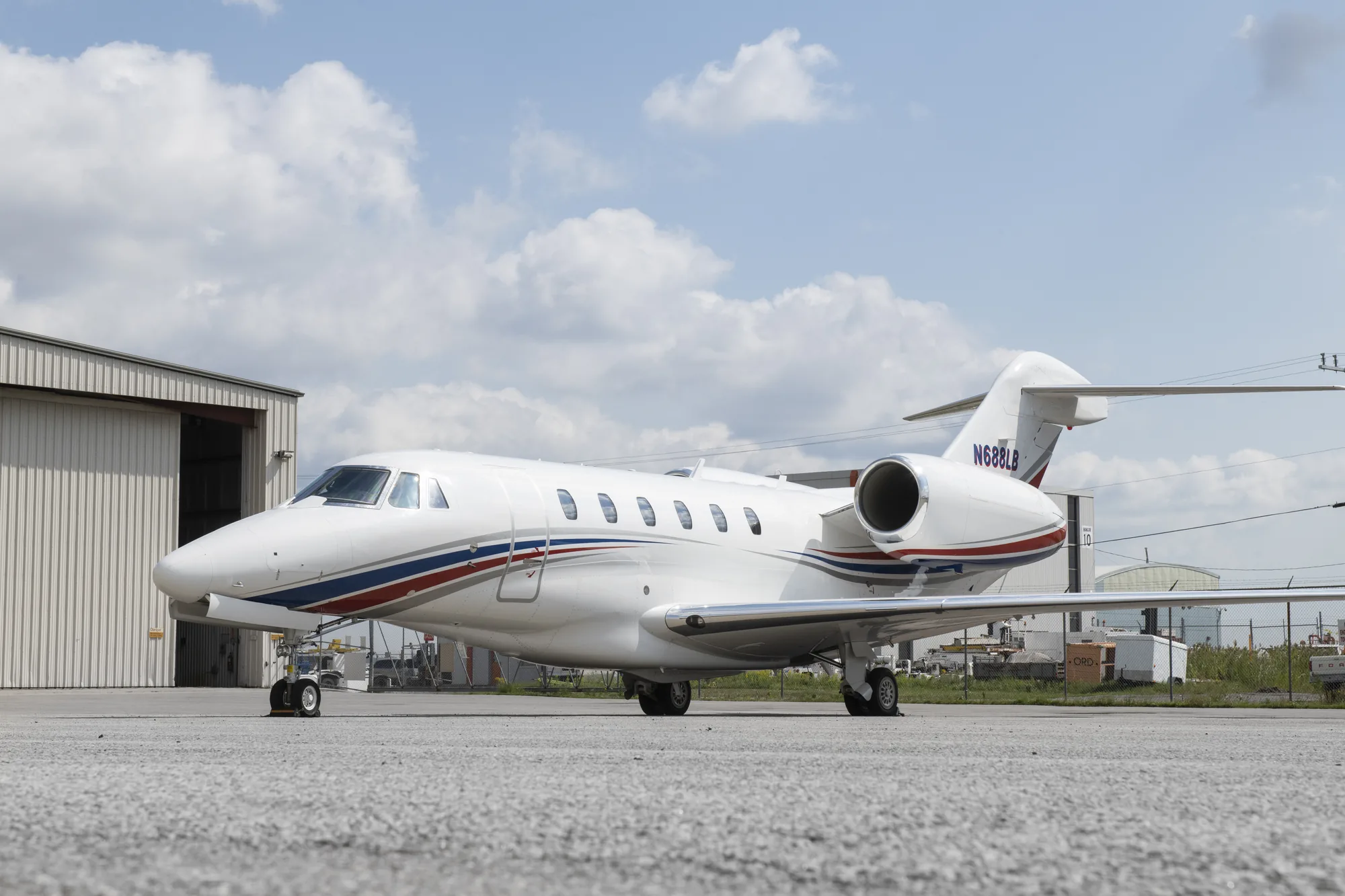
A share puts you in a larger, faster, two-crew aircraft with a stand-up cabin, for less than a new light jet costs before you have paid for a single hour of training.
Every conversation about buying an aircraft is about getting in. The harder question is what happens when you want out, and that is where owning outright and holding a share stop resembling each other entirely.
You list it, you wait, and you take what the market pays on the day. Expect somewhere around six to nine months of lead time before the proceeds actually land, and until they do you are still paying to keep the aircraft insured, hangared and airworthy.
At the end of your term Jet Corp buys your share back under a contractual Guaranteed Buyback, priced off an independent appraisal of the aircraft. There is no buyer to find and no listing to sit through. The exit is written into your agreement on the day you sign.
You are never stuck owning the asset. That is the difference worth weighing hardest, because it is the one that only shows up years later, when a private sale has stalled and the fixed costs are still arriving every month.
Buy the Cirrus if you want to fly. That is the entire point of the aeroplane, it is very good at it, and no fractional share will ever hand you the controls. We would rather say so than sell you the wrong thing.
Take a share if you want to arrive. If the flying is a means rather than the reason, you are buying an aircraft in order to be flown in it, and that is a job better done by two professionals and a maintenance department than by you on a Friday afternoon.
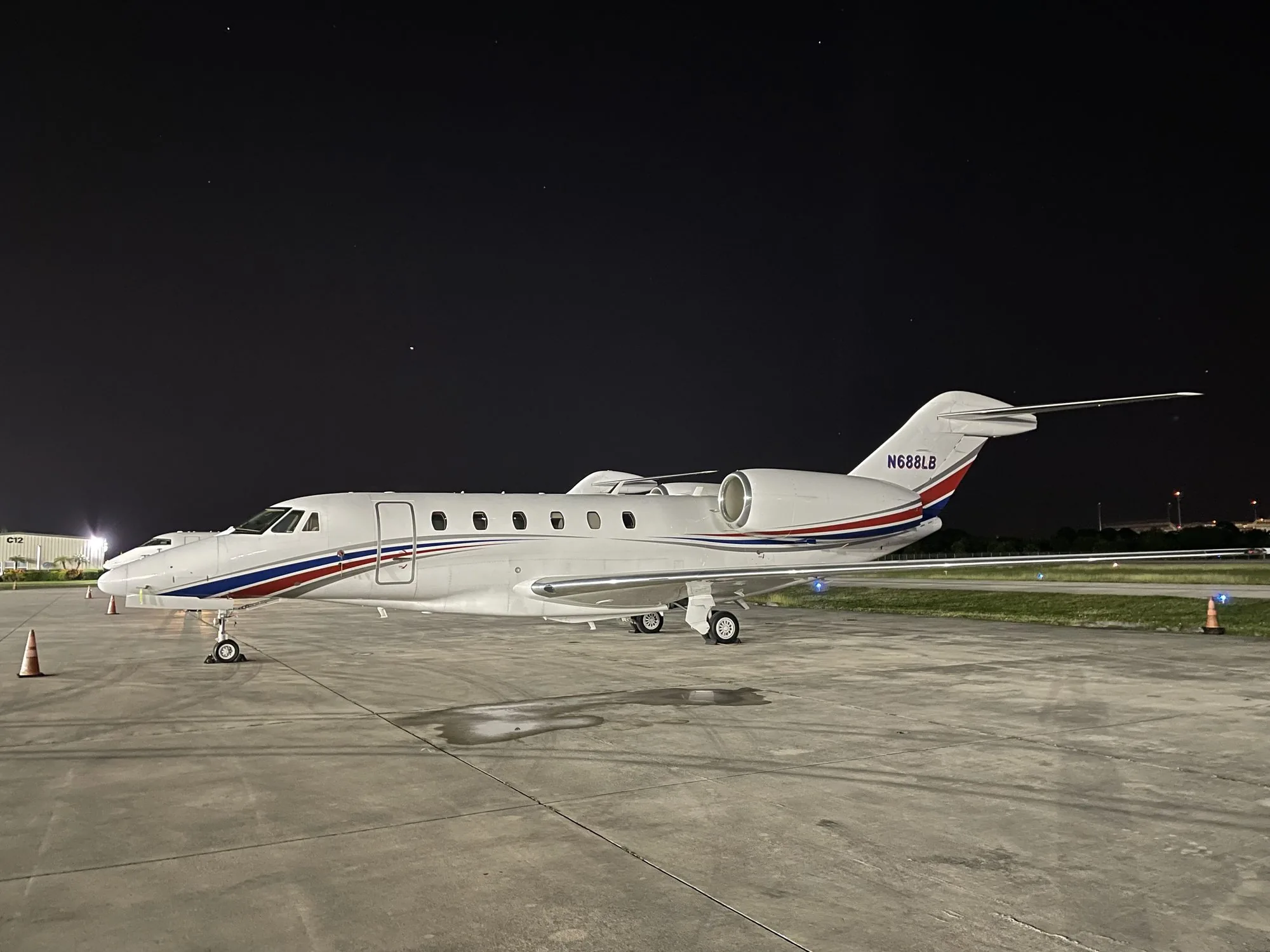
The offering package sets out share price, hourly rate, term and buyback in full, so you can put it beside the cost of owning outright.